
Securing a teaching job in the UK with visa sponsorship is something more international teachers are looking into every year. England has a real and ongoing need for qualified classroom staff, which means the doors are open for overseas teachers who are ready to make the move.
The visa process, though, can feel overwhelming at first. Each route comes with its own costs and requirements, depending on where you are from and your current status.
This guide covers all of that in plain terms. By the end, you will know which visas apply, what schools look for, and where to begin.
Teaching Jobs in the UK With Visa Sponsorship: What You Actually Need to Know

Before anything else, your visa or immigration status needs to be sorted. After all, no school in England can legally employ you without it.
Most international teachers will need a skilled worker visa before they can start work. The sponsor can be the school itself, a local authority, or an academy trust. But whoever takes that role, they must hold a valid worker’s licence first.
Once you understand the visa requirements, the next step is figuring out whether you qualify as an overseas teacher and what that means for your job search in the UK.
Who Qualifies as an Overseas Teacher?
Any teacher who trained and qualified outside the UK is considered an overseas teacher. Irish citizens and those with pre-settled status already have the right to work without sponsorship. For others, the immigration status allowing them to work in the UK will need to be arranged before applying for any role.
With the visa requirements covered, it’s important to understand who falls under the overseas teacher category and what that means when applying for jobs in the UK.
Since schools move quickly when they find the right candidate, you don’t want immigration paperwork to be the thing that slows you down. That’s why sorting this side of things first puts you in a much stronger position.
Do Non-UK Teachers Need Qualified Teacher Status?
Qualified teacher status is a legal requirement in maintained schools in England. But non-UK teachers don’t need it straight away. There’s an exemption, known as the 4-year rule, which allows overseas teachers to work in most roles without it for up to four years.
During that time, teachers are expected to complete the necessary training and work toward becoming a fully qualified teacher recognised by the body that regulates teachers in England.
Visa Options for International Teachers Coming to the UK
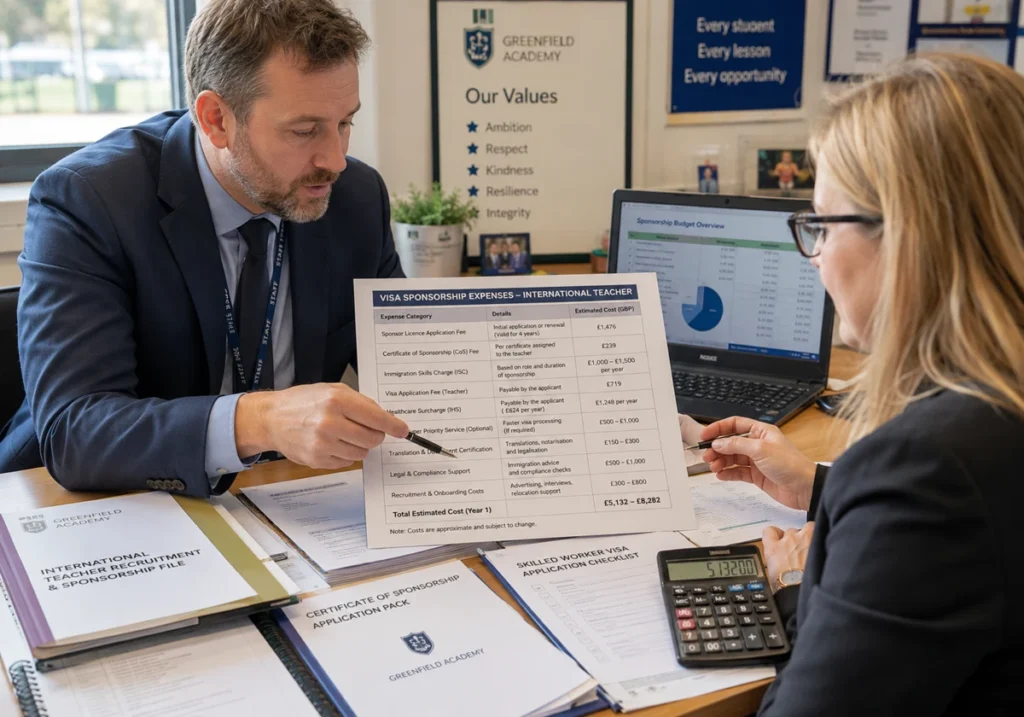
Not every international teacher needs the same visa. The route that applies to you depends on your current immigration status and where you are coming from. That said, most teachers going through UK schools will need a skilled worker visa, which the school must sponsor.
That’s why it’s worth knowing your options before you start applying for any teaching job. Not every teacher needs employer sponsorship, so it’s worth checking whether you already qualify under a different immigration route.
Which Visas Don’t Require a School Sponsor?
Some teachers won’t need a school to sponsor visas at all. If you already hold one of the following, you can apply for teaching roles freely:
- Graduate visa
- Family visa
- UK Ancestry visa
- Youth Mobility Scheme visa
- High Potential Individual visa
Dependents of visa holders can also work without sponsorship for the duration of their partner’s visa. So if your partner is already in the UK on a valid visa, you may already have the right to work.
What Is a Certificate of Sponsorship and Who Provides It?
A certificate of sponsorship is a unique reference number that a licensed school assigns to you before your visa application goes in. Schools must hold a valid skilled worker licence before they can issue one.
The certificate confirms the details of your role, your pay, and the length of your employment. Without it, your visa application cannot proceed.
Visa Sponsorship Costs for Schools: What to Expect
Honestly, visa sponsorship is not free for schools. The total cost is made up of several charges, and it can add up quickly depending on the size of the school and the length of the teacher’s visa. Knowing what these costs cover helps both teachers and sponsoring schools understand what they are agreeing to.
Here’s a breakdown of the main charges.
| Charge | Who Pays | Notes |
| Skilled worker licence | School | One-off fee, valid indefinitely |
| Certificate of sponsorship fee | School | Paid per teacher-sponsored |
| Immigration skills charge | School | Paid upfront per year of visa |
| Visa fees | Teacher | Paid to the Home Office |
All visa fees are paid directly to the Home Office. The immigration skills charge is paid upfront and covers each year of the visa. However, costs vary depending on school size and whether the school is a registered charity.
How International Candidates Can Stand Out in the Application Process

The application process for overseas candidates is more competitive than many people expect. UK schools want teachers who will fit into the life of the school, support students beyond the classroom, and communicate well with staff and parents alike.
Many schools now shortlist international candidates remotely. So your first impression is likely to happen on a screen
Take a look at a few things that can truly set you apart from others:
- A video portfolio showing your actual teaching practice
- Clear evidence of pastoral care experience
- Familiarity with safeguarding checks and why they matter in UK schools
- Strong spoken English, both in writing and on camera
- Specific references to the school’s values or teaching roles you have read about
Beyond the recruitment process, it’s worth noting that there are usually many teaching vacancies in subjects like computer science and science. If you teach one of those, mention it clearly and early in your application.
Taking the Next Step: How to Move Forward With Your UK Teaching Application
For international teachers looking to work in England, the path is clearer than it might seem from the outside. The key is understanding which visa applies to your situation and finding a school that is set up to offer visa sponsorship.
Plus, recruitment agencies and approved providers offer support at every stage, including help with qualifications. You do not have to figure it all out alone.
Ready to begin your journey? Explore courses, guidance, and resources to help you move forward at The Course Book.
Frequently Asked Questions: UK Teaching Jobs and Visa Sponsorship
Can international teachers work in Northern Ireland under the same rules?
Not exactly. Northern Ireland has its own teacher registration body, so the rules differ from those in England. If you are planning to teach there, check the specific requirements separately before applying.
What is the minimum salary threshold for a Skilled Worker visa?
To qualify for a Skilled Worker visa, you must usually be paid at least the minimum salary required for your role and occupation code. For teaching jobs, the salary requirement is generally linked to the relevant national or regional teacher pay scale.
Do approved providers help overseas teachers gain QTS?
Yes. Approved providers offer structured training routes for teachers who have qualified outside the UK. These programmes assess your existing professional teaching qualification against UK standards and help you meet the criteria that regulate teachers in England.